



Help & Advice
Things to think about
|
Apr 29, 2024


Arranging a funeral can feel overwhelming, especially when many decisions need to be made at a difficult time. You do not need to have all the answers before contacting us.
Abercorn Funeral Services will guide you through each choice, explain the available options and provide a written estimate before the arrangements are confirmed.
The person’s wishes
Consider whether the person who died left any instructions or discussed their preferences with family or friends.
Their wishes may be recorded in:
- A will or letter of wishes.
- A prepaid funeral plan.
- Notes kept with important documents.
- Conversations with family or close friends.
Funeral instructions written in a will are not legally binding in Scotland, but they can provide helpful guidance. It is also important to consider what is practical and appropriate for the family.
Burial or cremation
One of the first decisions will be whether the funeral will involve burial or cremation.
For burial, consider:
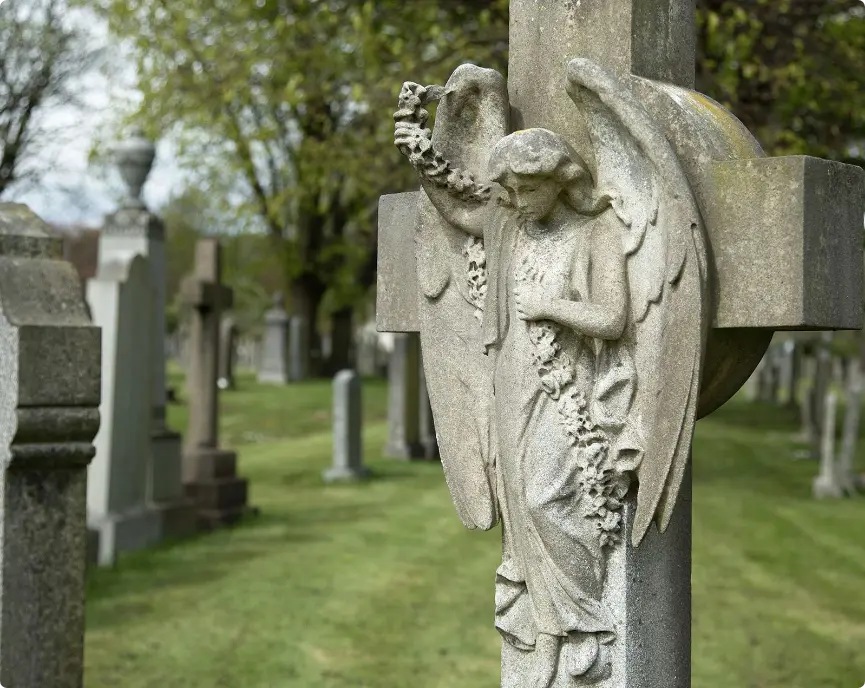
- Whether there is an existing family grave.
- Whether a new grave will be required.
- Which cemetery or burial ground should be used.
- Whether the grave will require to be reopened.
- Plans for a headstone or additional inscription.
For cremation, consider:
- Which crematorium should be used.
- Whether the funeral will be attended or unattended.
- What should happen to the ashes afterwards.
We can check availability, explain local requirements and liaise with the cemetery or crematorium on your behalf.
Type and location of the funeral
A funeral can be religious, non-religious or a combination of both. It may be traditional, simple or arranged as a celebration of the person’s life.
The service could take place at:
- A church or other place of worship.
- A crematorium.
- A cemetery or graveside.
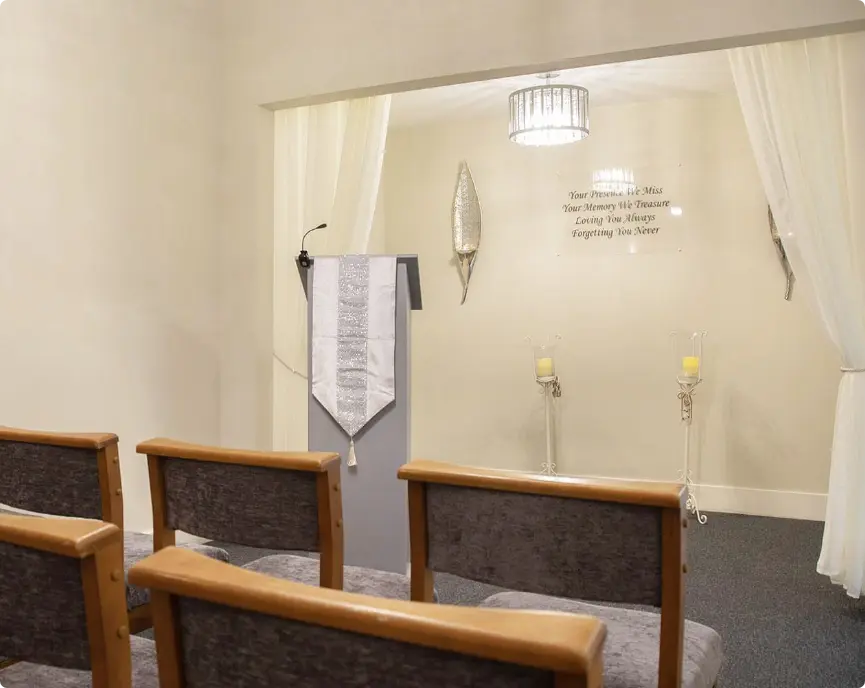
- One of our funeral homes, where suitable.
- Another appropriate venue.
You may also choose a direct cremation without an attended service, followed by a separate memorial or gathering at another time.
Minister, celebrant or person leading the service
The service may be led by:
- A minister, priest or other faith representative.
- A humanist celebrant.
- An independent civil celebrant.
- A family member or friend.
- A combination of the above.
The person leading the service will normally speak with the family to learn about the person who died and help plan the ceremony.
Visiting and spending time with the person
Some families find comfort in visiting the person before the funeral, while others prefer to remember them as they were. There is no right or wrong choice.
You may wish to consider:
- Whether family or friends would like to visit.
- What clothing the person should wear.
- Whether personal items, photographs or letters should be placed with them.
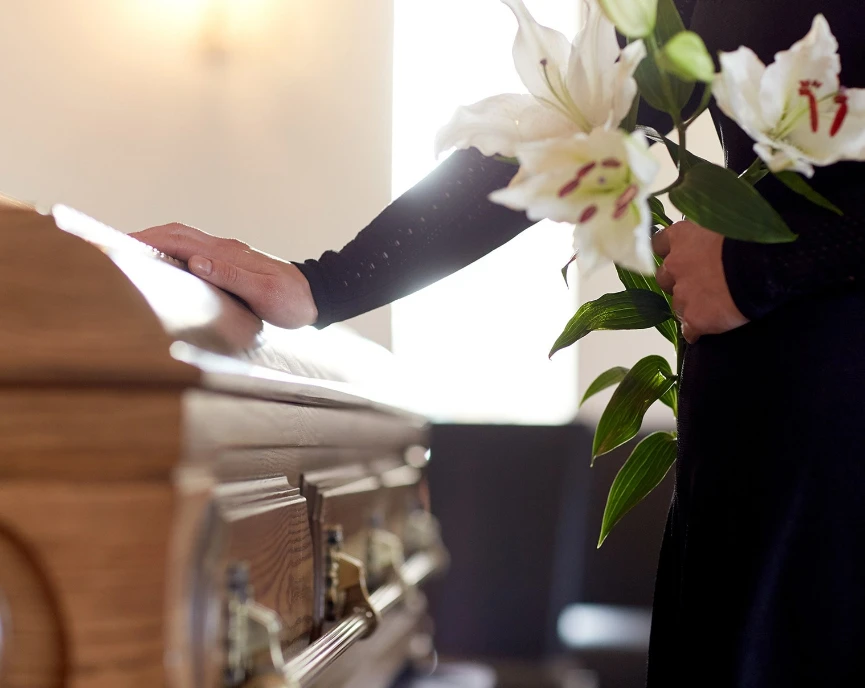
- Whether the coffin should be open or closed.
We will explain what is possible and support your wishes sensitively.
Choosing a coffin
We offer a range of coffins in different styles and materials. We will explain the available choices and their costs clearly.
Your choice may be influenced by:
- Personal preference.
- Religious or cultural requirements.
- Burial or cremation requirements.
- Environmental considerations.
- The available budget.
Music, readings and tributes
Music, readings and personal tributes can make the service feel individual and meaningful.
You may wish to include:
- Music for entering and leaving.
- A favourite song or piece of music.
- Hymns, prayers or religious readings.
- Poems or non-religious readings.
- A eulogy or tribute.
- A period of quiet reflection.
- Photographs or a visual tribute.
Check with family and friends before naming someone to speak, as they may find it difficult on the day. The minister or celebrant can read a tribute on their behalf if preferred.
The order of service
A printed order of service can guide those attending and provide a keepsake for family and friends.
It may include:
- A photograph and the person’s name.
- The date and location of the funeral.
- Music, hymns and readings.
- The names of people taking part.
- Words of thanks from the family.
- Details of any gathering, charity donations or webcast.
Allow enough time for the wording, photographs and final proof to be checked before printing.
Funeral notices and informing people
Consider how family, friends, neighbours and former colleagues will be told about the death and funeral.
This may include:
- Personal telephone calls or messages.
- A newspaper death notice.
- An online funeral notice.
- Social media, where appropriate.
- Details of a webcast for people unable to attend.
Think carefully before publishing a private home address or information confirming that a property will be empty during the funeral.
Flowers or charitable donations
Families may choose:
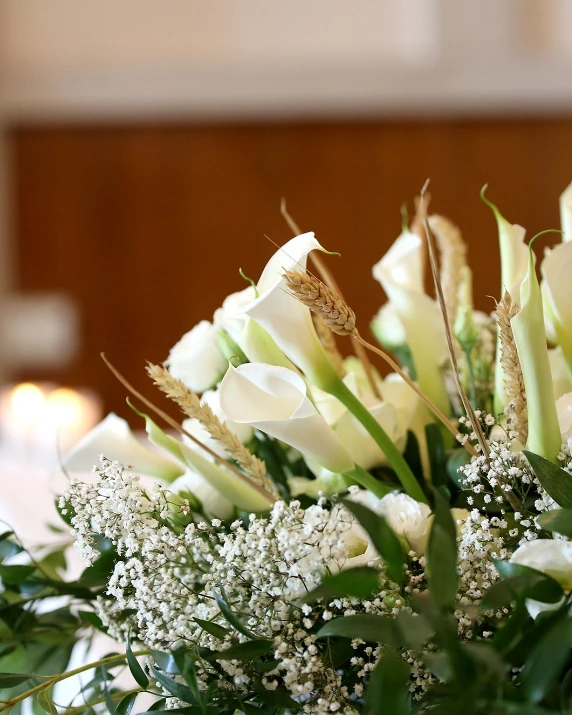
- Family flowers only.
- Flowers from anyone attending.
- Donations to a chosen charity instead of flowers.
- Both flowers and charitable donations.
If collecting donations, make it clear which charity or cause the family has chosen and how contributions can be made.
Transport and the funeral procession
Consider:
- Where the funeral procession should begin.
- Whether the cortege should pass a meaningful place.
- How many family vehicles may be needed.
- Whether anyone has accessibility or mobility requirements.
- Whether family or friends wish to carry the coffin.
We will discuss timings and practical arrangements with you.
Reception or gathering after the funeral
A gathering after the service gives family and friends an opportunity to share memories and support one another.
Consider:
- The venue.
- The likely number of guests.
- Catering and refreshments.
- Accessibility and parking.
- Whether photographs, music or a memory table should be included.
A reception is entirely optional and can be as simple or as formal as the family wishes.
What happens to the ashes?
Following a cremation, ashes can usually be:
- Collected by the person authorised to receive them.
- Scattered at the crematorium or another suitable location.
- Buried in a cemetery, churchyard or family grave, subject to permission.
- Kept in an urn or other container.
- Divided between suitable keepsakes, where requested.
- Used in an approved memorial item.
Rules and permissions vary depending on the location. We can explain the available options and help with the necessary arrangements.
Costs and payment
Tell us if you have a particular budget or are concerned about funeral costs. We will explain which services are necessary, which are optional and what alternatives may be available.
You will receive a written estimate setting out Abercorn Funeral Services’ charges and relevant third-party costs before arrangements are finalised.
Take your time and ask questions
There is no single correct way to arrange a funeral. It should reflect the person who died, the needs of those close to them and what is affordable and practical.
Please ask questions at any stage. We are here to guide you through the decisions with care and without pressure.
Edinburgh: 0131 259 2322
Musselburgh: 0131 629 5151
Contact
We will help you at every stage of the process
Call, email, or visit one of our funeral homes at any stage. We’re here to talk you through any decision that concerns you.Contact Form

Help & Advice
Always here for when you need us
This is a stressful time for everyone concerned. To help you get through it, here is our guide to what you should do when a death occurs and what options you can explore.
This is a stressful time for everyone concerned. To help you get through it, here is our guide to what you should do when a death occurs and what options you can explore.