

Help & Advice
Making the day personal
|
Apr 26, 2024


A funeral can reflect the person’s life, character, beliefs and relationships. Personal touches do not need to be elaborate or expensive. Often, the simplest details are the ones family and friends remember most.
There is no single correct way to personalise a funeral. Abercorn Funeral Services will listen to what matters to you, explain what is possible and help bring the different elements together.
Choose a service that feels appropriate
A funeral may be:
- Religious or faith-based.
- Humanist or non-religious.
- Traditional or informal.
- Quiet and simple.
- A celebration of life.
- An attended funeral or an unattended direct cremation followed by a separate memorial.
The service can be shaped around the person being remembered and the needs of those closest to them.
Explore Abercorn’s funeral options
Abercorn offers different funeral arrangements to suit individual wishes and circumstances.
Bespoke Funeral
A Bespoke Funeral allows the different elements of the funeral to be selected with the family, creating an individual service for the person being remembered.
Read about our Bespoke Funeral
Classic Funeral
Our Classic Funeral provides a traditional attended funeral with defined services. Please read the current details carefully or speak to us about what is included.
Read about our Classic Funeral
Direct Cremation
A Direct Cremation is an unattended cremation without a funeral service at the crematorium. Family and friends may choose to hold a separate memorial or celebration of life at another time.
Read about our Direct Cremation
Child’s Funeral
We understand that arranging the funeral of a baby, child or young person requires particular care and sensitivity. Our Child’s Funeral page explains the support and arrangements available.
Read about our Child’s Funeral
We will explain the available choices, what is included and any costs before arrangements are confirmed.
A meaningful location or route
The funeral may take place at a church, crematorium, cemetery, funeral home or another suitable venue.
You may also wish the funeral cortege to:
- Leave from the family home.
- Pass the person’s former home.
- Travel past a workplace, club or familiar landmark.
- Pause briefly at a place that held special meaning.
Any special route should be discussed in advance so that timings, safety and practical arrangements can be checked.
Music
Music can bring back memories and express feelings that are difficult to put into words.
You might choose:
- A favourite song or performer.
- A hymn or religious piece.
- Music associated with a wedding, holiday or important occasion.
- A song that reflects the person’s character.
- Live music performed by a relative, friend or musician.
- A quiet instrumental piece for reflection.
Music does not need to be traditionally associated with funerals. The venue may have rules about how music is supplied, so final choices should be confirmed in good time.
Readings, poems and tributes
A reading or tribute could include:
- A favourite poem.
- A religious passage or prayer.
- Song lyrics.
- A passage from a book.
- A letter written to the person.
- A eulogy or life story.
- Short memories from several family members or friends.
- Words written by a child or grandchild.
Nobody should feel pressured to speak. A minister, celebrant or another person can read someone’s words on their behalf.
Photographs and visual tributes
Photographs can show different stages of the person’s life and help those attending share memories.
Options may include:
- A favourite framed photograph.
- A photograph on the order of service.
- A display of family photographs.
- A slideshow or visual tribute.
- Photographs at the reception.
- A memory table containing meaningful items.
Check the venue’s requirements and deadlines before preparing a slideshow or video.
Personal items and interests
Items connected with the person’s life can help make the service feel individual.
Examples include:
- Medals or military memorabilia.
- Sports shirts, scarves or club colours.
- Craftwork, artwork or musical instruments.
- Gardening tools or flowers from their garden.
- Books, records or photographs.
- Items connected with their career or voluntary work.
- A favourite hat, handbag or piece of clothing.
- Something representing a hobby, pet or special place.
Valuable or irreplaceable items should be kept secure and should not be placed in the coffin without discussing this with the funeral director.
Clothing and presentation
Families may choose clothing that reflects the person’s personality rather than formal funeral clothing.
This might include:
- A favourite outfit.
- Religious or cultural clothing.
- A uniform.
- Sports or club clothing.
- Nightwear or comfortable clothing.
- Jewellery or other personal items.
We will explain what is suitable and ask what should happen to jewellery and personal belongings afterwards.
The coffin
Personal choices may include:
- The style and material of the coffin.
- Flowers or a floral tribute.
- A flag, cloth or coffin spray.
- Family photographs or messages.
- A design reflecting a hobby, colour or interest.
- Family members decorating the coffin, where suitable.
- Placing letters, drawings or small keepsakes inside.
Some items may not be permitted for cremation or burial. Please check with us before placing anything in or on the coffin.
Involving family and friends
People may take part by:
- Carrying or accompanying the coffin.
- Reading a poem or tribute.
- Choosing or performing music.
- Welcoming those attending.
- Preparing the order of service.
- Contributing photographs.
- Lighting a candle, where permitted.
- Placing a flower or other tribute.
- Sharing memories at the reception.
Participation is always optional. Some people may prefer simply to attend and reflect quietly.
Including children and young people
Children can be included in ways appropriate to their age and wishes.
They might:
- Draw a picture or write a letter.
- Choose a photograph or song.
- Place a flower.
- Help create a memory table.
- Attend part or all of the service.
- Spend time with a trusted adult if they need to leave.
Children should be given honest, age-appropriate information about what will happen and should never be pressured to take part.
Religious, cultural and family traditions
Tell us about any religious, cultural or family customs that are important.
These may affect:
- How and when the person is cared for.
- Clothing and preparation.
- Prayers and rituals.
- The timing of the funeral.
- Who may visit or participate.
- Burial or cremation requirements.
- Music, readings and food.
We will work with the family and relevant faith or community representatives wherever possible.
Flowers and charitable donations
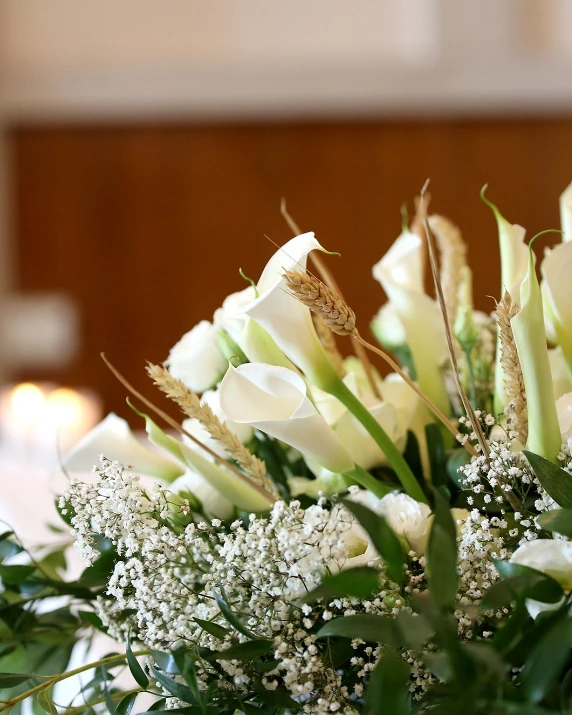
Flowers may reflect a favourite colour, season, garden or place.
Families may choose:
- A formal floral tribute.
- Simple seasonal flowers.
- Flowers from the family garden.
- A single flower from each person attending.
- Family flowers only.
- Donations to a chosen charity instead of flowers.
- Both flowers and charitable donations.
There is no obligation to have flowers or request donations.
The funeral procession
The procession may be personalised through:
- The choice of hearse or funeral vehicle.
- A meaningful route.
- Family members travelling together.
- Personal items or flowers displayed appropriately.
- People forming a guard of honour, where suitable.
- Club, service or community representatives participating.
Special requests should be discussed early so that permissions, timings and safety can be considered.
The gathering afterwards
A funeral reception can be formal or informal.
Personal touches may include:
- Favourite food or family recipes.
- A particular drink for a toast.
- Music the person enjoyed.
- Photographs and home videos.
- A memory book for guests.
- A display of personal items.
- Guests sharing stories.
- Colours or decorations connected with the person.
A gathering is optional and can be held at any suitable time or place.
Remembering someone after a direct cremation
Choosing a direct cremation does not prevent a family from creating a personal farewell.
A separate memorial or celebration of life may be held later, allowing more time to:
- Bring family and friends together.
- Choose a meaningful venue.
- Display photographs and personal items.
- Share music, readings and memories.
- Scatter or inter the ashes.
- Create a lasting memorial.
Personal does not have to mean expensive
A favourite song, handwritten letter, family photograph or meaningful route can be just as personal as a larger tribute.
We will explain any costs before arrangements are confirmed and help you distinguish between necessary services and optional choices.
We are here to help
Tell us about the person—their character, relationships, work, interests and the small things that made them unique.
Abercorn Funeral Services will help you create a farewell that feels personal, appropriate and true to the life being remembered.
Edinburgh: 0131 259 2322
Musselburgh: 0131 629 5151
Contact
We will help you at every stage of the process
Call, email, or visit one of our funeral homes at any stage. We’re here to talk you through any decision that concerns you.Contact Form
Help & Advice
Always here for when you need us
This is a stressful time for everyone concerned. To help you get through it, here is our guide to what you should do when a death occurs and what options you can explore.
This is a stressful time for everyone concerned. To help you get through it, here is our guide to what you should do when a death occurs and what options you can explore.